Pamphlet Stitch Booklets
Using three pierced holes, a blunt tapestry needle, and linen twine, bind ten sheets of sketch paper into an archival pocket notebook.
Handmade projects do not require dedicated studios, exotic hardwoods, or flawless precision on the first try. Here we prioritize steady hands, accessible scraps, and the gentle rhythm of learning how materials bend, stitch, and hold together.
The greatest barrier to starting a creative hobby is often the mistaken belief that one must purchase an entire drawer of specialty items first. In reality, working with simple implements—a sharp pair of dressmaker shears, common cotton twine, a clean kitchen jar, and discarded cardboard—yields a clearer understanding of structural physics than automated kits ever could.
When you handle plain materials directly, you encounter genuine grain, tension, and texture. An irregular crease in postal kraft paper or a slightly slanted backstitch does not indicate failure; it records the physical human effort of your hand shaping matter.
"Skill is not born from expensive gear, but from observing what happens when a crease is folded against the fiber rather than with it."
Take stock of what already rests in your home: unprinted packing paper, surplus sewing threads, empty glass condiment jars, and scrap linen napkins. Each presents an invitation to test friction, adhesives, and balance without financial consequence.
Paper possesses extraordinary tensile strength when manipulated correctly. By introducing simple score lines, bone-folder burnishing, or layered starches, flat pulp transforms into resilient organizers and book covers.
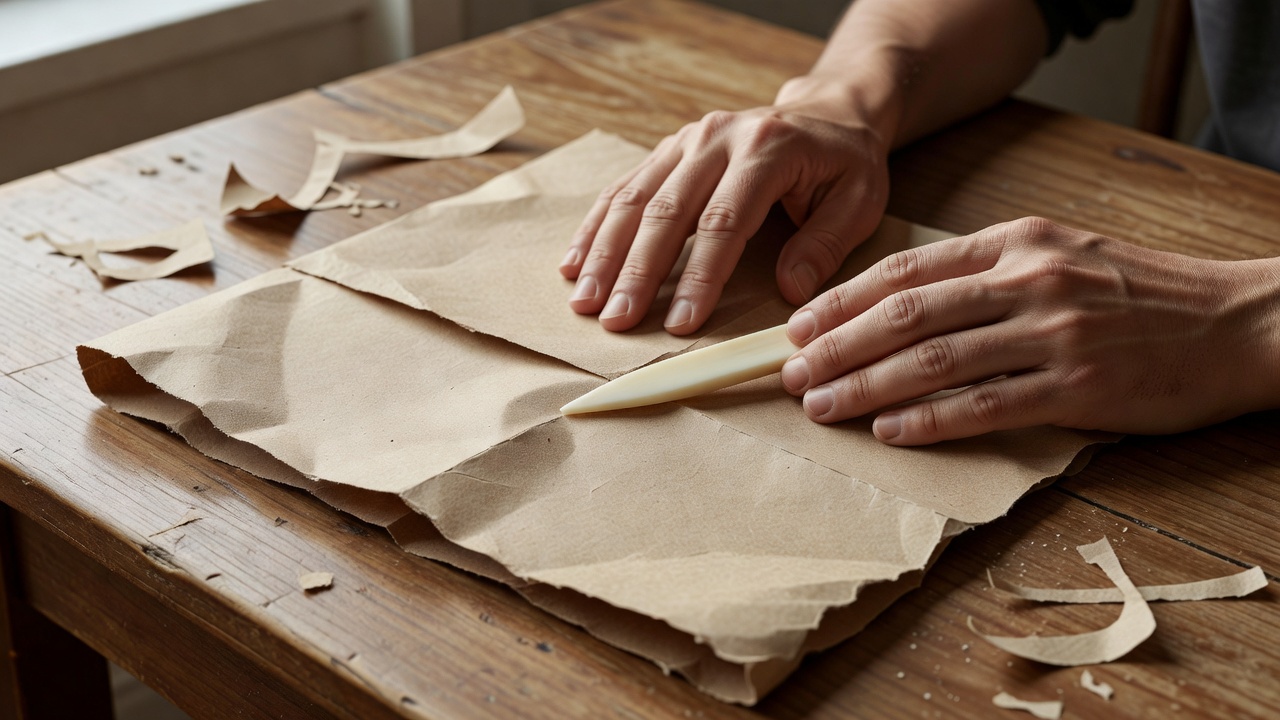
Using three pierced holes, a blunt tapestry needle, and linen twine, bind ten sheets of sketch paper into an archival pocket notebook.
Folded cardstock trays engineered using traditional origami creases to sort sewing needles, paperclips, and pencil stubs securely.
Applying consistent mechanical pressure with discarded telephone directories to press garden ferns without discoloration.
Embroidery and hand mending require mastery over only two or three core hand movements. A consistent running stitch creates reliable seams, while the Japanese tradition of Sashiko proves that simple geometric dashes can reinforce frayed denim collars while honoring wear.
You do not need absolute geometric parity between each stitch. In traditional handwork, microscopic fluctuations in spacing are considered proof of organic human agency.
Before throwing away clean metal tins, glass pantry jars, or broken terra cotta planters, consider how their solid geometry can serve new household functions with minimal modification.
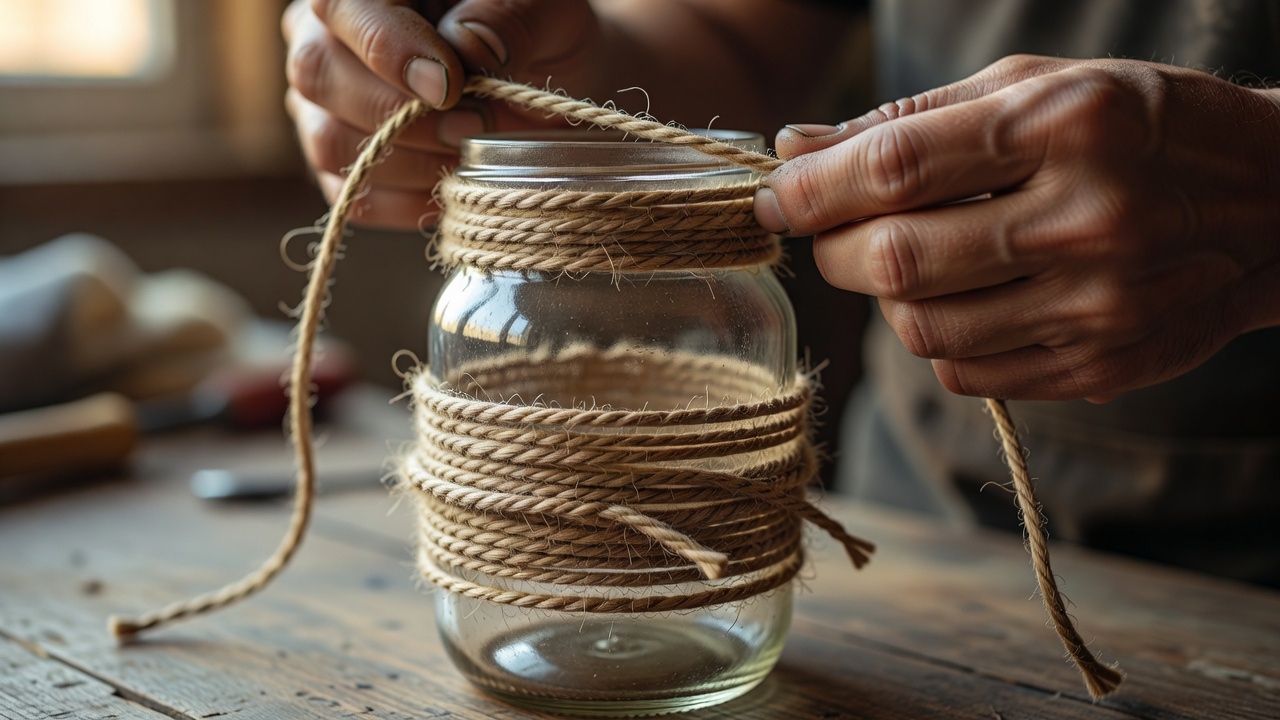
Wind natural fiber cord around preserving jars to create hanging votives that diffuse gentle candle glow safely.
Smooth the edges of broken earthenware pots with 120-grit sandpaper to construct durable, rot-proof garden plant markers.
Massive weekend craft marathons often end in messy tables and creative exhaustion. Experienced makers instead cultivate a 20-minute daily cadence. Keeping a compact tray with your current needlework or bookbinding tools within arm's reach invites frequent, peaceful engagement.
Treat this time as dedicated quietude away from backlit computer monitors. Let your fingers sense the resistance of dry paper or the cool glide of steel needles.
Every handmade discipline we practice today connects to established cultural histories. Honoring these traditional lineages deepens our respect for the materials and their original master artisans.
| Craft Tradition | Cultural Roots | Key Material | Primary Functional Role |
|---|---|---|---|
| Sashiko | Edo Period Japan | Indigo Cotton & Thick White Thread | Thermal insulation & reinforcing agricultural garments |
| Origami / Chiyogami | Heian & Edo Japan | Kozo & Mulberry Wood Pulp Fibers | Ceremonial gift closures and mathematical pattern study |
| Coptic Stitching | Early Egypt (2nd Century) | Papyrus, Parchment, Linen Cord | Non-adhesive flat-opening codex bookbinding |
| Patchwork Quilting | Global / British Isles & Early Americas | Salvaged woven scrap fabric | Winter bedding fabricated entirely from worn apparel |
Has your paper torn along the fold? Did your thread knot into an intractable bird's nest inside the fabric? Every craft practitioner encounters these hurdles. A stalled project is not evidence of personal ineptitude, but a normal phase of hands-on prototyping.
Never pull tightly on a snagged thread. Slacken the tension, insert a tapestry needle eye into the center of the tangle, and gently expand the knot loop outward.
Explore our extensive answers to real maker hurdles, tool dilemmas, and material substitutions in our dedicated help journal.